What niche actually means now
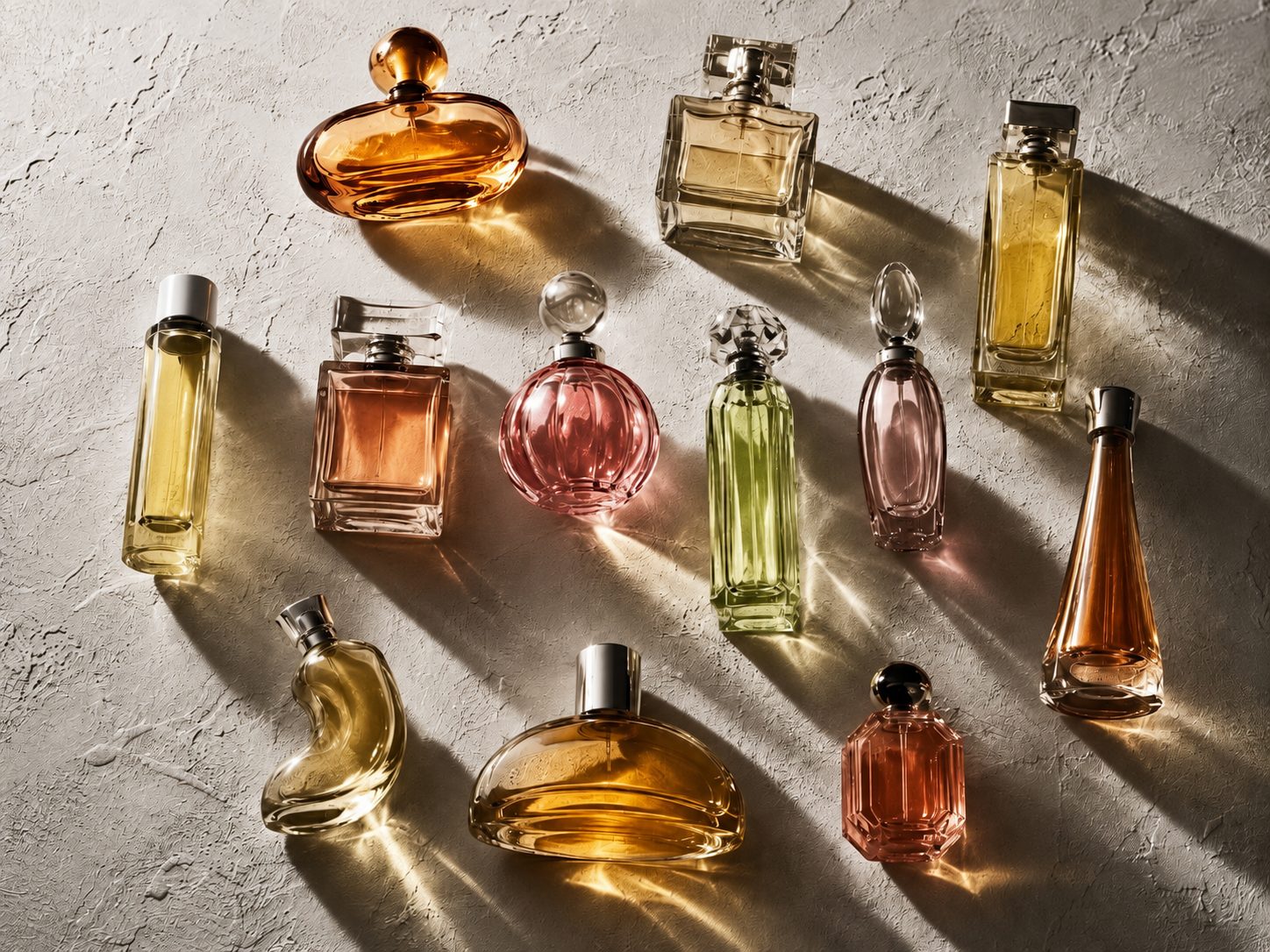
The word once told you where a perfume was sold. Now it is often asked to tell you whether the perfume is good. That is too much work for one small adjective.
Niche has become a velvet rope in the mind. It suggests lower volume, stranger ideas, finer materials, and a bottle known only to people who know. Sometimes that picture is accurate. Sometimes the fragrance is made at global scale, owned by a multinational group, and stocked in airports from Riyadh to Paris. Sometimes the so-called designer bottle beside it is the riskier piece of perfumery. The label is not useless. It is simply answering a different question from the one most shoppers are asking.
01The label was a shelf
In its practical industry sense, niche described a route to market. These houses sold through selective perfumeries, specialist counters, and a small number of doors, rather than the broad department-store, duty-free and chain networks associated with mainstream prestige fragrance. Trade coverage from the mid-2000s discussed niche perfumery through the retailers that carried it. A decade later, reporting still described the segment through small boutiques and limited distribution, while noting that designer houses had begun borrowing its codes.
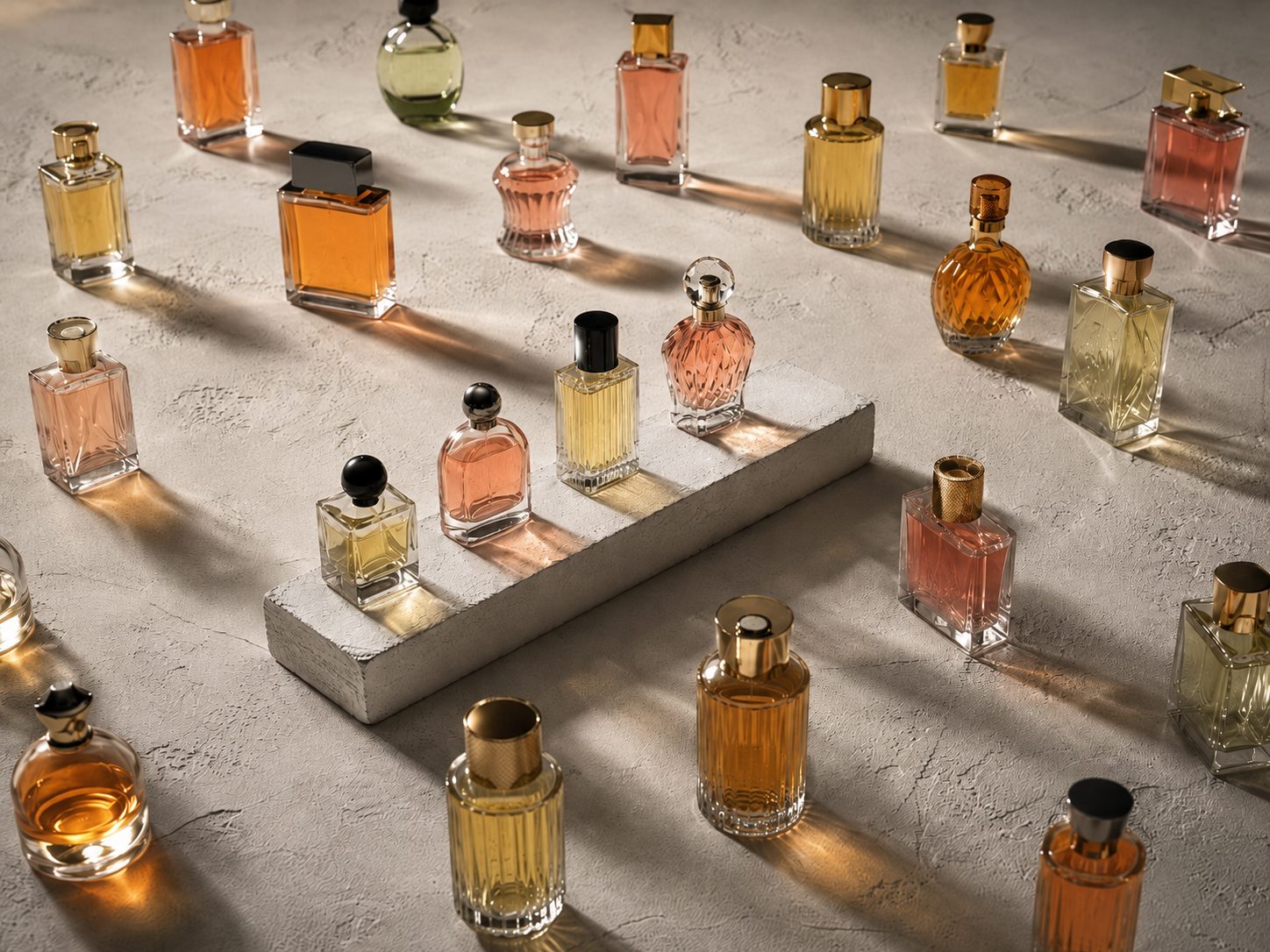
The bottle may be private. The supply chain rarely is.
That distinction was never a chemical test. There was no niche concentration, niche ingredient list, or niche standard of originality. A perfume did not become niche because it held more naturals, lasted longer, or challenged more people. It belonged to a narrower commercial channel and usually addressed a narrower audience. Designer was just as commercial a category, generally meaning fragrance sold under a fashion name, often through a beauty licence and a broad retail network. The work could be excellent or forgettable. So could the work of the perfume-first houses. The label described the business around the liquid, not the liquid itself.
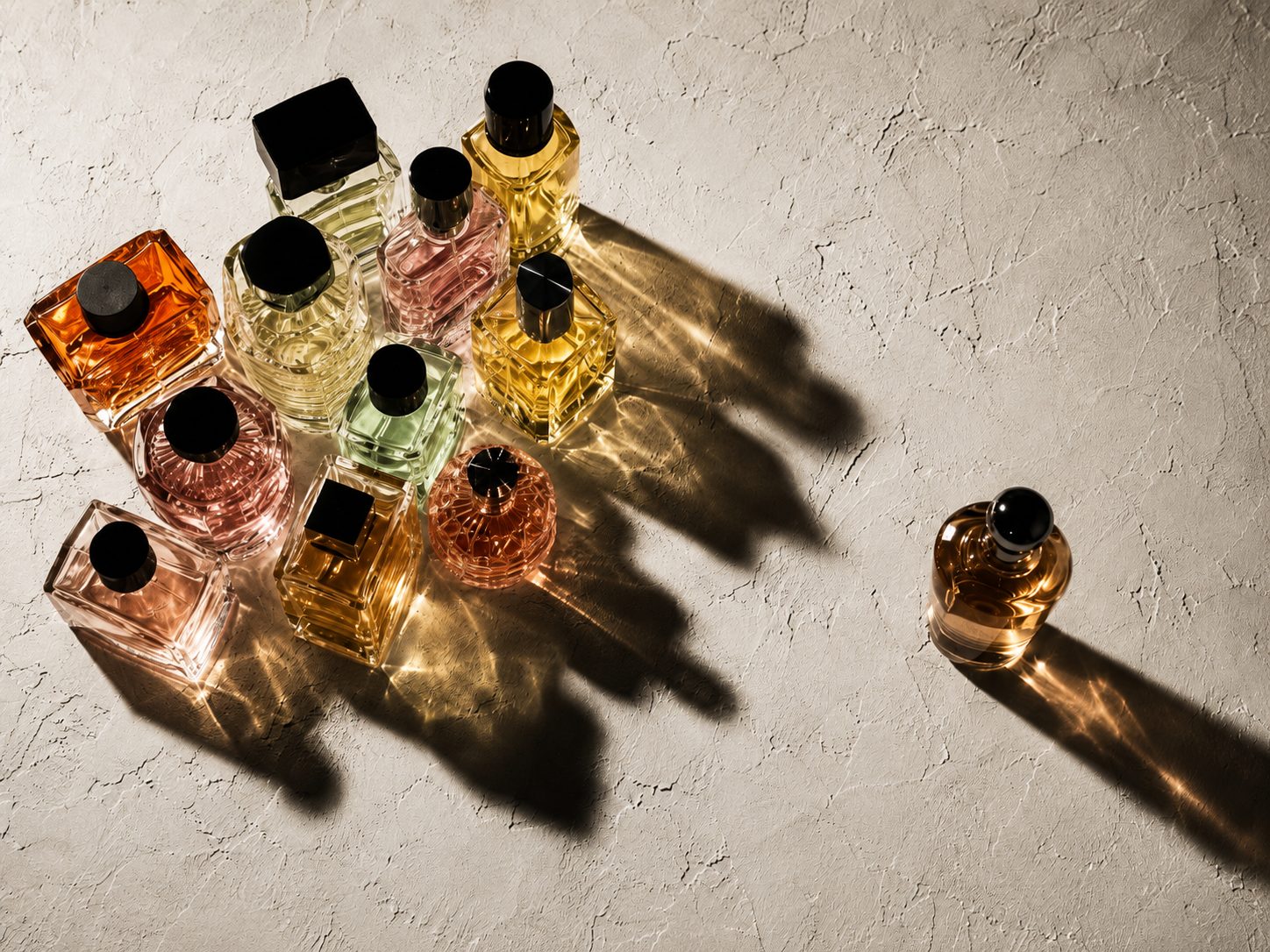
The old map is now badly folded. The houses commonly called niche range from very large catalogues, like Xerjoff and Amouage, each carrying well over a hundred fragrances, down to small ones like By Kilian with barely more than a dozen in circulation. Guerlain, usually filed on the designer or heritage side of the argument, carries fewer fragrances than several of the houses treated as niche. Those numbers do not measure quality. They do reveal scale. A word that comfortably contains a house with well over a hundred fragrances and one with barely more than a dozen is not a precise description of output. When the same word also spans founder-owned companies, family capital, private equity and listed conglomerates, it stops describing ownership too.
02Ownership moved, scent did not move in one instant
Creed is the cleanest example of how fast the map can change. Kering Beauté agreed to buy Creed outright in June 2023 and completed the purchase that October. Then, in March 2026, L'Oréal completed its acquisition of Kering Beauté, Creed included. A shopper relying on a fixed mental list of niche owners could be two parents behind before finishing a single bottle.
Ownership is a fact. Quality is a judgement. They should not be asked to do each other's work.
Byredo took a different route. Puig announced a majority acquisition in 2022, later specified in its financial statements as a 77 per cent holding, while founder Ben Gorham and Manzanita Capital stayed on as shareholders, and Puig said Gorham would keep his creative leadership. Estée Lauder assembled a cluster of perfume-first houses in quick succession: Le Labo in late 2014, Editions de Parfums Frédéric Malle in early 2015, By Kilian in 2016. Diptyque had already been bought by Manzanita Capital in 2005 and still sits in that portfolio. Guerlain, family-run from 1828, was acquired by LVMH in 1994 and remains one of the group's maisons.
Other large catalogues sit elsewhere. Amouage is listed among the companies of the SABCO Group, independent of the global beauty conglomerates without being one perfumer working alone. Xerjoff traces its founding to Turin in 2007 and its public profile lists it as privately held. This is why acquired and independent are more useful words than niche and designer. They can be checked. They identify control. They still do not grade the perfume.
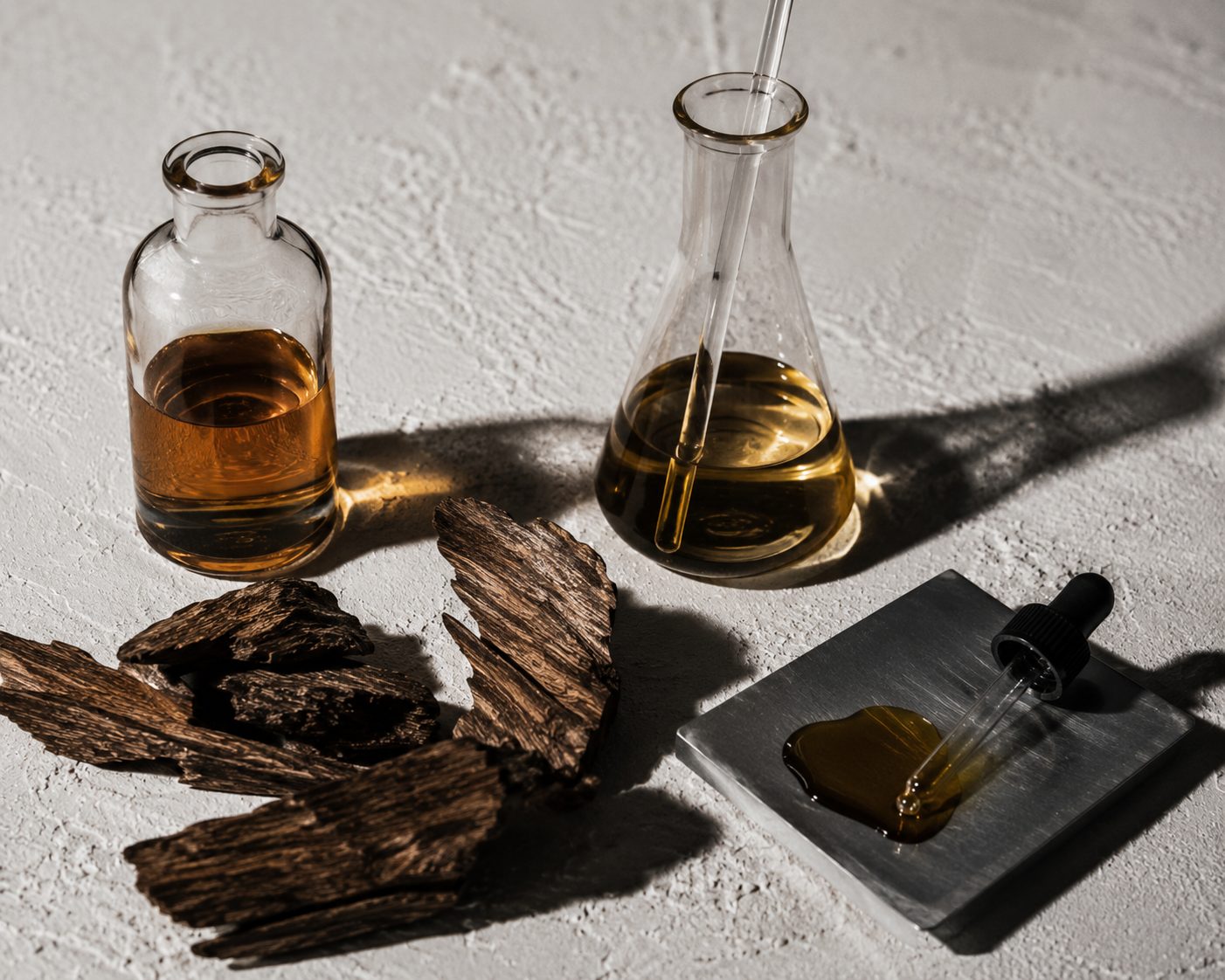
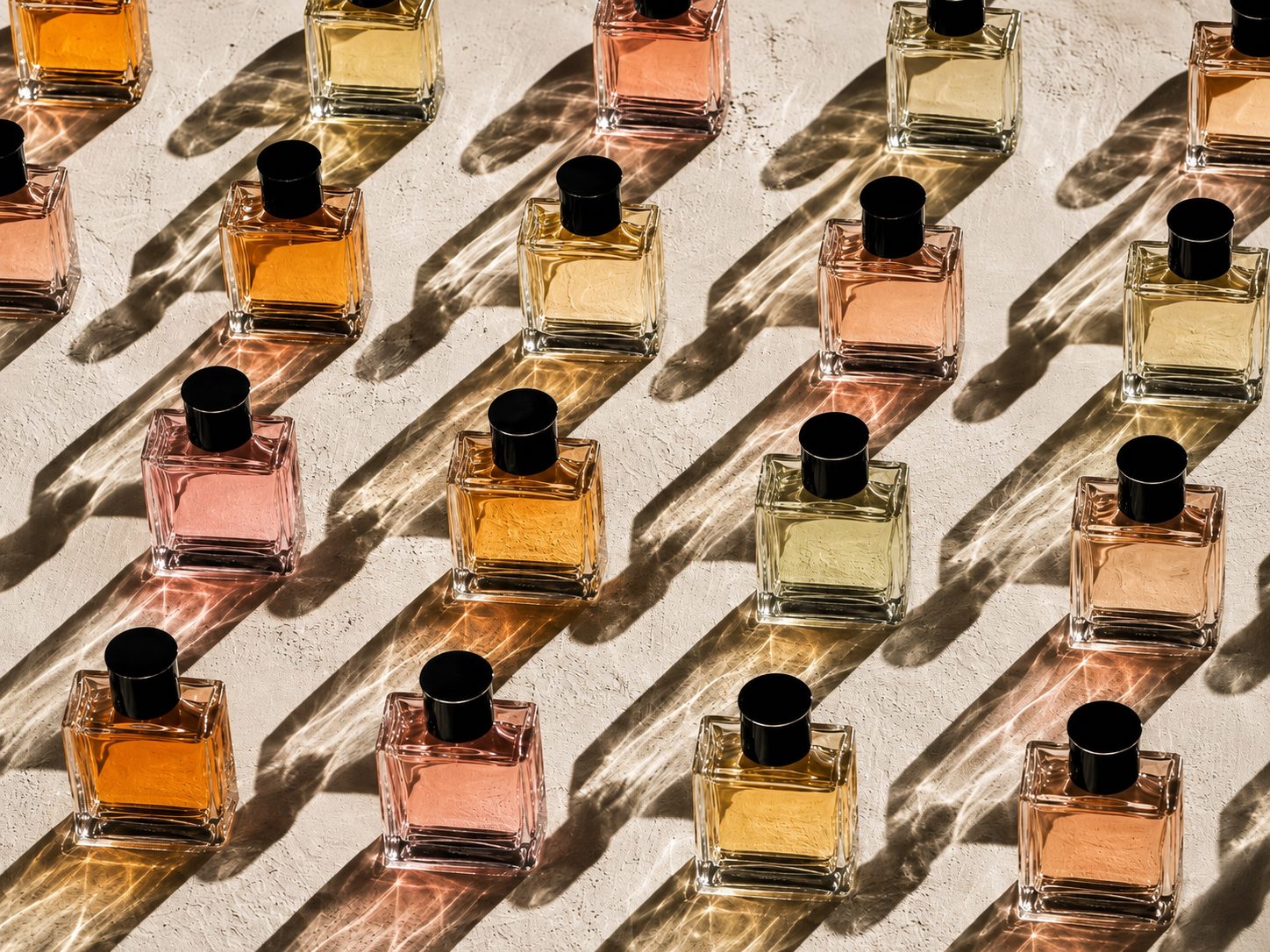
What usually changes after an acquisition is the machinery around the bottle. Buyers talk about capital, expertise, networks, geographical reach, retail development and direct-to-consumer capability. Kering framed Creed in terms of expertise, network and footprint. Puig said it would support Byredo's development while preserving its positioning. These are business promises, not olfactory ones. What does not necessarily change on closing day is the creative hand. Byredo's founder stayed in creative leadership. Kering said it expected to work with Creed's existing team. Frédéric Malle's name and publishing model continued under Estée Lauder, and Kilian Hennessy remains the creator identified with Kilian Paris.
None of that guarantees continuity forever. Ownership can influence launch rhythm, distribution, pricing, packaging, staffing, formula budgets and the willingness to keep slow sellers. But a transaction announcement is not proof that a fragrance was reformulated, cheapened or improved. To establish any of that, you need evidence about the specific perfume and the specific change.
03Better questions than niche
Independence matters, but not because it sprinkles virtue over every bottle. It changes the constraints. Market analysts define an indie beauty brand as independently owned and operated, outside a multi-brand conglomerate, and below a revenue ceiling in the low hundreds of millions of dollars, which still leaves room for private equity or venture capital behind it. On that definition, indie fragrance has recently been growing several times faster than conglomerate-owned fragrance. The independent sector is commercially significant, not a hidden cabin at the edge of the industry.
Its difficulties are just as real. Smaller houses have to build distribution, handle shipping and customs, manage import restrictions, and finance stock before it sells. Direct selling can protect margin and customer contact, but it hands the brand the burden of sampling, fulfilment, returns and discovery. The genuinely independent end of perfumery is easy to recognise when the maker tells you plainly. Tauer Perfumes says every perfume is created by Andy Tauer and handmade in Zurich. Gallivant describes itself as a small, proudly independent London maker. Papillon is built around perfumer Liz Moores and her own compositions. These structures allow a clear authorial voice. They can also mean fewer launches, fewer stockists, fragile availability, and a business tied closely to one person's time and health.
Conglomerate ownership offers the inverse bargain. It can fund international doors, inventory, compliance, manufacturing, data, staffing and long development. It can also bring targets, portfolio logic, and pressure for repeatable growth. Neither structure owns courage. Neither prevents it. Good work happens wherever the brief, the formula and the execution meet with intelligence. It can happen inside a global group with patient capital protecting a difficult formula. It can happen in a workshop in Zurich or the English countryside. A large company can afford to be brave. A small one can play it safe because it needs the cash. The logo does not reveal the decision inside the formula.

So before paying three times as much because a sales assistant says niche, replace the word with questions that produce answers. Who owns the house, and since when? Is the founder or perfumer still directing the work? How wide is the distribution? How many fragrances does the house launch and keep in circulation? Who composed this one, and what is distinctive about its structure on your skin? Most important of all, do you still like it after the first hour, not merely after hearing its category?
Price can reflect raw materials, packaging, retail margin, small production runs, distribution inefficiency, marketing, scarcity, or simple positioning, and usually several at once. Niche does not separate them for you. The useful sequence is smaller and calmer. Smell first. Learn the maker. Check the owner. Wear the perfume for a day. Then decide what the bottle is worth to you. Niche once helped a buyer find the quieter shelf. It no longer tells you what deserves to come home.
Analysis drew on the Osmagora fragrance library.
Cosmetics Business, 'Fragrance retail: finding your niche', 2006; The Business of Fashion, 'Designer fragrances take cues from the growing niche market', 2017.
Kering and L'Oreal press releases on the acquisition of Creed and of Kering Beaute (2023-2026).
Puig announcement and financial statements on the Byredo acquisition (2022).
The Estee Lauder Companies filings on Le Labo, Editions de Parfums Frederic Malle and By Kilian; WWD on Diptyque and Guerlain.
NielsenIQ, 'The indie beauty boom', 2026.
Vogue Business on Scandinavian fragrance brands; Tauer, Gallivant and Papillon house statements.