By Margaux Delcourt A creative director in fragrance who can separate the material reality from the cultural coding, and enjoys showing which part is which.
Some perfumes enter the room like a black car arriving after dark. Nothing rattles. Nothing asks for attention. The door closes with one soft, decisive sound, and somehow everybody notices.
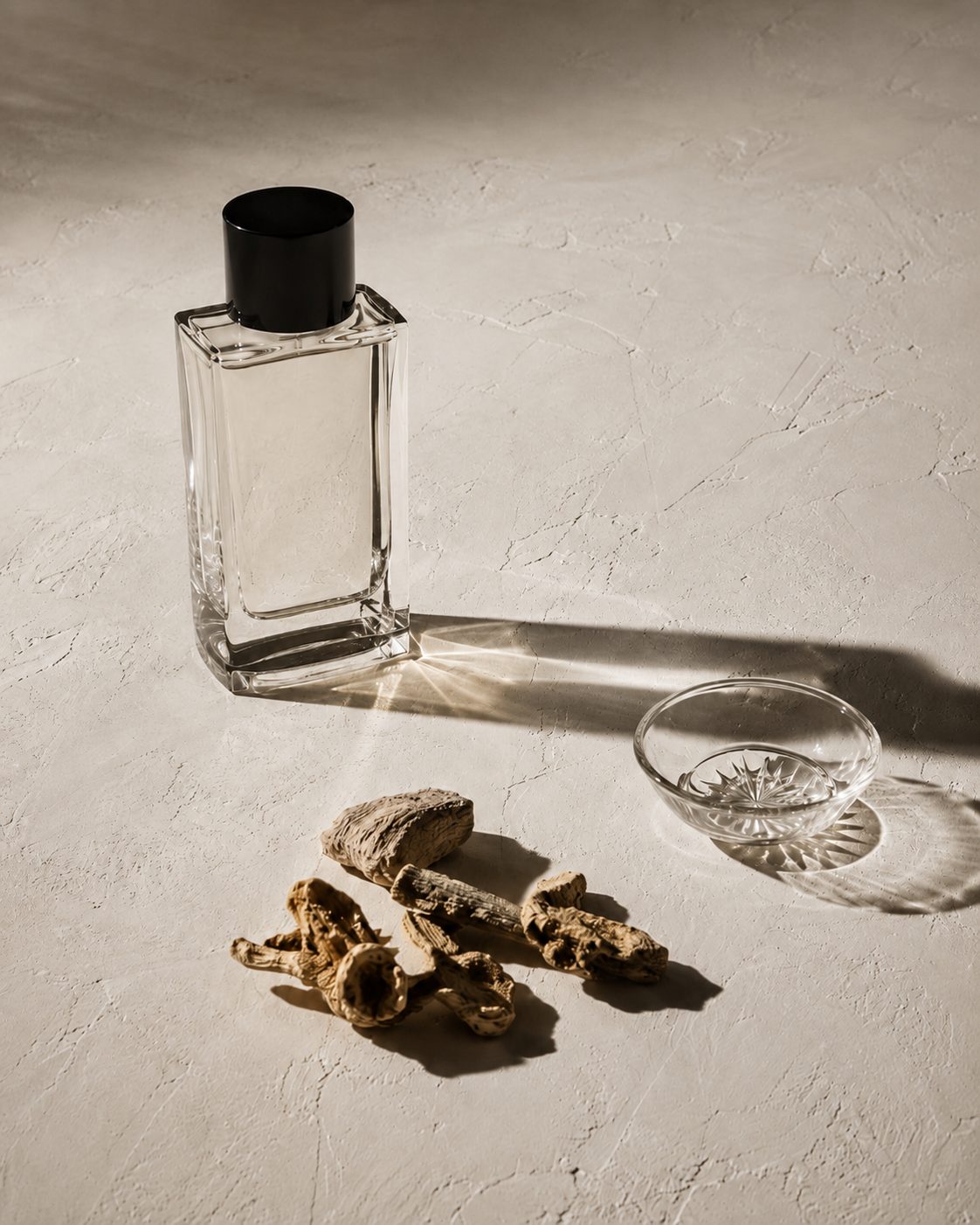
That is usually what people mean when they say a fragrance smells expensive. They are not running chromatography in the air. They are reading a set of signals: texture, proportion, familiarity, rarity, restraint, and the confidence to leave something unsaid. But two questions hide inside the compliment. Was the fragrance costly to make? And does it read as costly when someone smells it? The answers overlap far less neatly than the industry's mythology would like.
The invoice and the impression
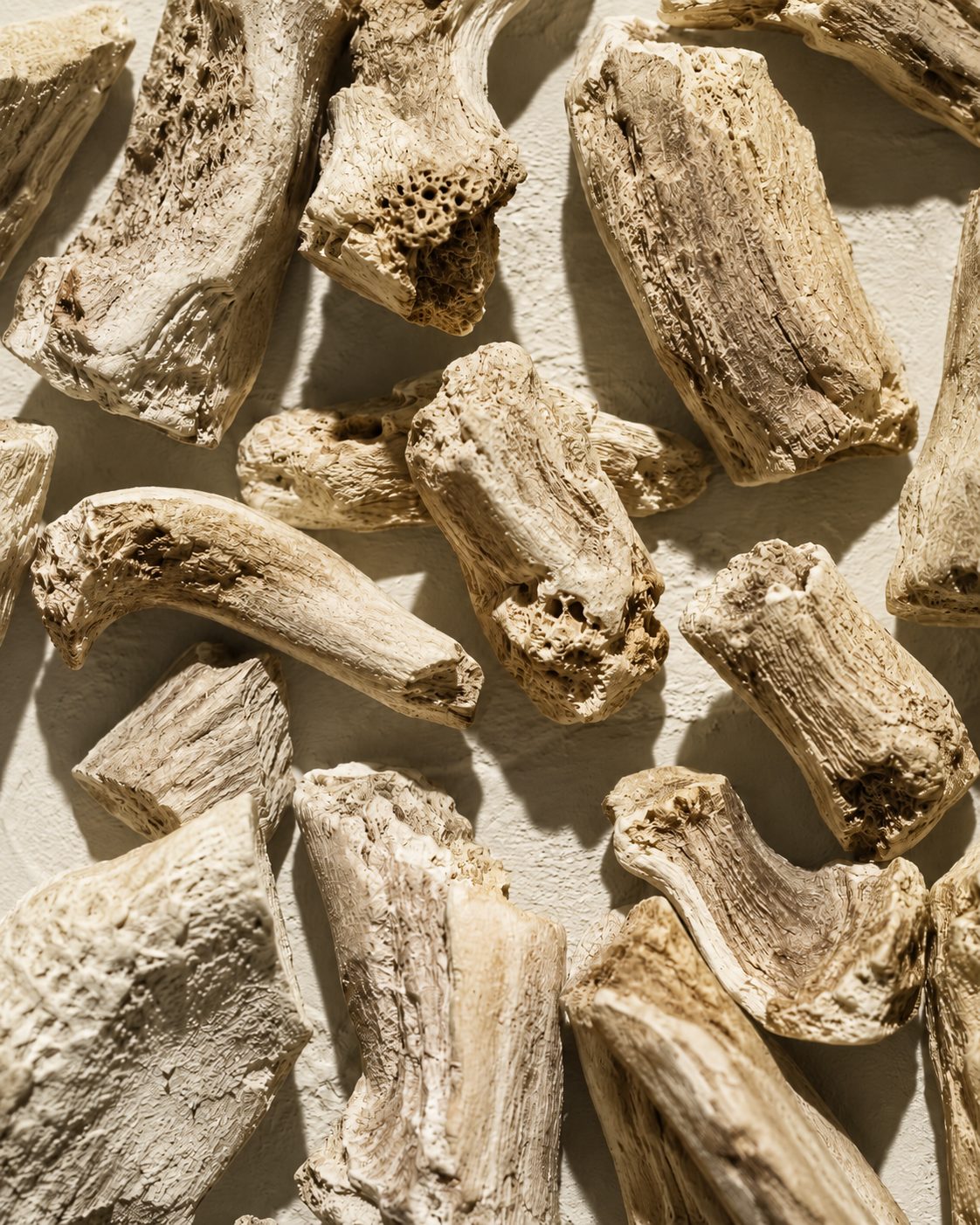
Some materials really are expensive. Orris butter is the obvious aristocrat. It comes from iris rhizomes, not the flower, and the process demands land, labour and time before distillation even begins. The rhizomes can spend years in the ground and years more drying and ageing, and a fine grade is routinely listed by suppliers at several hundred dollars for a few grams. That price is not a metaphor. It is sitting there on the page.
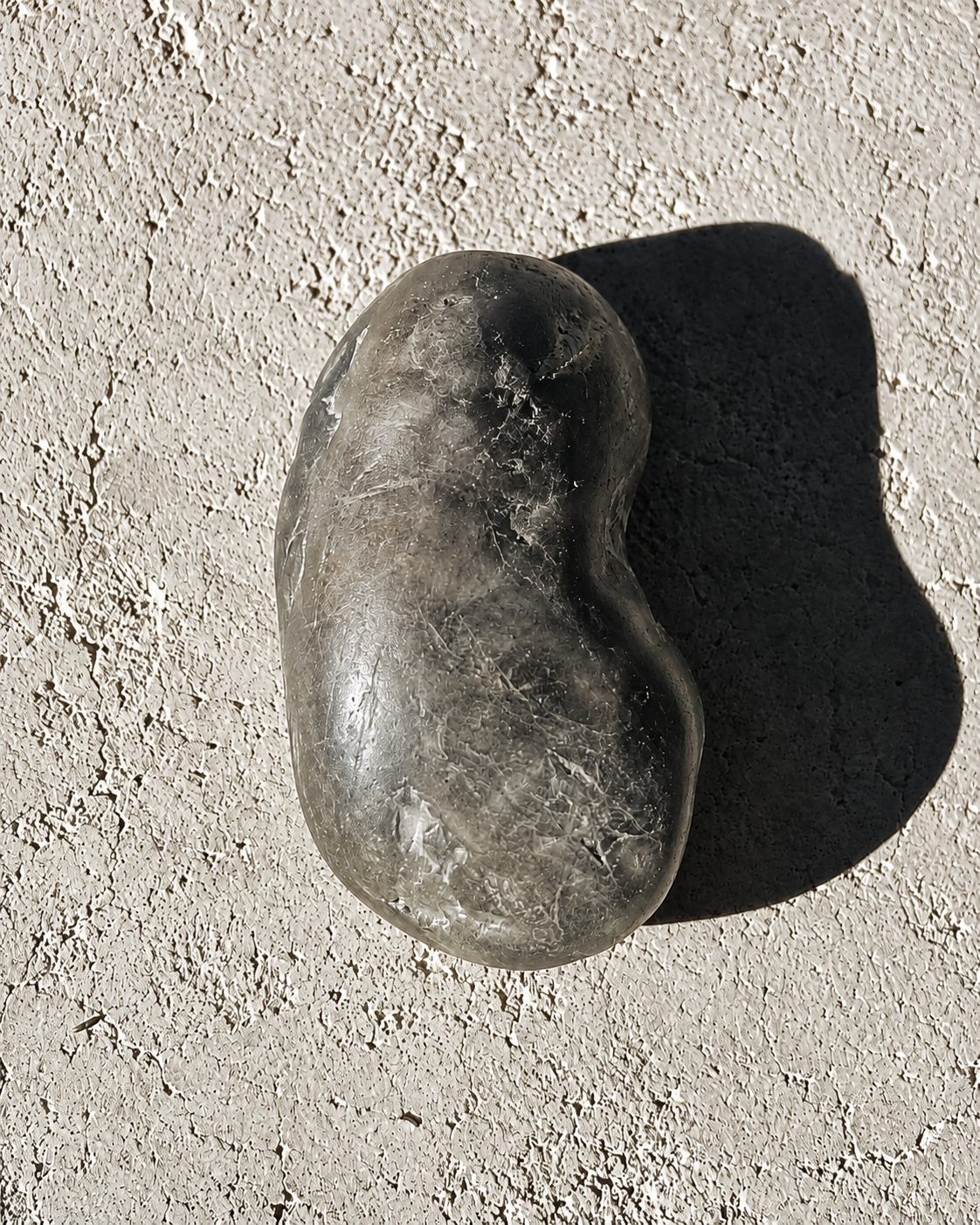
Natural jasmine is less theatrical and still costly, sold by the kilogram at figures that make a florist flinch. Real ambergris is stranger again. It is a natural material from the digestive tract of the sperm whale, sometimes recovered after it washes ashore, and in the United States it may not be collected, kept or sold because it comes from an endangered marine mammal. Where trade is permitted, a genuine tincture stays a specialist material rather than a palette staple. One supplier's description of a real white ambergris tincture is quietly useful because it punctures the fantasy that rarity must shout: it is gentle, close to the skin, and explicitly not for anyone hunting a loud ambergris effect.
Iris and ambergris appear in perfumery often enough to feel familiar and rarely enough to keep carrying decades of association with polished, costly work. But a note listing is not a laboratory invoice. Iris may mean natural orris, an ionone-rich reconstruction, a cosmetic powder effect, or a broader violet-woody idea. Ambergris may mean the natural material, a tincture, a single synthetic molecule, or an ambergris-style accord. The effect can be entirely convincing while the expensive raw material is nowhere in the bottle.
This is why cost and smell can divorce so elegantly. A skilled perfumer can create the sensation of cashmere without buying a sheep. A badly balanced formula can waste extraordinary naturals and still smell like a duty-free argument.
Cost can buy rarity. It cannot buy taste.
The signals money cannot own

The expensive read usually begins with finish. Not cleanliness exactly, and certainly not blandness. Finish is the absence of visible joins. The citrus does not sit on top like a garnish. The floral heart does not arrive wearing a name badge. The woods do not wait until hour four and then convene a separate meeting. The perfume moves as one object, even as it changes.
Olfactory science explains why that is hard to do. Odour mixtures are not perceived as a simple sum of their parts. Components suppress, mask and reshape one another, and a mixture can be perceived as a new odour object rather than as a list of recognisable ingredients. Smoothness, in that sense, is not one costly molecule. It is hundreds of decisions about proportion and interaction.
Slow development is another expensive-looking signal. Fragrance materials differ in volatility and in how they behave on skin, and a perfume that unfolds gradually can feel as though it holds more information, simply because it does not surrender its whole idea in the opening minute. That does not prove a larger budget. It proves that the evaporation curve was handled with intention.
Then there are aldehydes, chemicals rather than a single smell, capable of citrus brightness, waxy lift, or a soapy abstraction. Their luxury charge is as much cultural as material. Aldehydes became inseparable from the memory of twentieth-century polished perfumery through landmarks such as Chanel No. 5. What reads as expensive is not aldehyde on its own. It is the association with luminosity, distance, and immaculate fabric.
Context matters more than confident noses admit. In a controlled study, researchers tested whether luxury information could change emotional responses to perfumes. It did. The values carried by the luxury framing transferred into the experience of the scent. Other work on verbal context has shown that labels and descriptions shift how pleasant the same odour is judged to be, and even change the brain's response to it. The bottle, the price, the house name, and the sales assistant are not standing outside the smell. They are already in the room with it.
That helps explain why loud fragrances are so often dismissed as cheap. Loudness makes its mechanism easy to see. A dominant sweet-amber or woody-amber trail can feel like a logo printed across the chest. Research on luxury beyond fragrance has found that some affluent, low-status-seeking consumers prefer quieter brand prominence, and perfume inherits the same social grammar. Restraint can signal that the wearer expects recognition from the people who already know.
But that judgement is partly snobbery. Projection, intensity and sweetness are not defects. Fashion reporting has documented the rise of intense and extrait fragrances as a form of accessible luxury, valued precisely because they last, project, and make the wearer feel they received something substantial. In one room, a soft iris skin scent reads as cultivated wealth. In another, abundance is the point. A fragrance that announces itself may be doing its job beautifully.
The shape of a composition is the clue worth reading here, not as a score but as a silhouette. A loud perfume often has one accord towering over the rest, or several high accords competing at the top. A restrained one shows a smaller gap between its lead and its support, with fewer dramatic peaks. Neither shape guarantees quality. It only tells you whether the perfume is built like a soloist, a chorus, or a well-run dinner table.
Luxury is often the art of leaving one button undone.
The accent changes
Expensive is not a universal odour family. It is an accent, learned from the perfumes, interiors, people and institutions that taught us what status smells like.
Cross-cultural research finds broad agreement on basic odour pleasantness, but not complete universality. Culture explains part of preference, and individual experience remains powerful. Language changes what people notice, too. Some cultures hold rich, abstract vocabularies for smell and name odours far more readily than English speakers usually can. A society that talks about smell differently will not build the same hierarchy of refinement around it.
The code also moves with time. Aldehydic radiance can carry the authority of couture. Dense oud, rose and amber can carry ceremony, hospitality and abundance. A sheer musk can become the insider signal, expensive because it appears to be doing almost nothing at all. Then the pendulum swings and powerful extraits return as the new indulgence. None of these effects owns luxury permanently. They borrow it for a while.
So how do you find the expensive read without paying for the name? Begin with the effect you want, not the brand you hope will supply it. For cool, powdered restraint, explore iris, orris, violet, soft woods, musks and aldehydic facets. For warmer wealth, look to ambergris-style materials, labdanum, sandalwood, rose, jasmine and controlled spice. Read the note list as a map of intentions, not proof of natural content.
Next, look at the shape rather than the volume. One clear lead with disciplined support often feels more deliberate than five ideas shouting at equal strength. For a quieter result, favour smaller gaps and avoid a profile where every dominant accord is pushed to the ceiling. For something richer and more ceremonial, let one or two accords rise, then check whether the base gives the perfume shape or merely more noise.
Then remove price from the first round. Compare fragrances within the family and the climate you will actually wear them in. Read the development, test on skin, and come back after several hours. The opening tells you whether the perfume can make an entrance. The drydown tells you whether it has somewhere to live. Only then reveal the brand and the price. This is not pretending that context does not matter, because research shows it does. It is hearing the fragrance before the orchestra starts playing the house anthem.
A perfume smells expensive when its choices feel deliberate, its materials or effects feel considered, and its volume matches its intention. Sometimes that comes from orris butter aged for years. Sometimes it comes from an inexpensive molecule placed with exquisite judgement. Sometimes it comes from a name you recognise. The useful skill is learning which part you are actually smelling.
Expensive is not the smell of money. It is the smell of control.
Analysis drew on the Osmagora fragrance library.
Eden Botanicals and Hermitage Oils, supplier product pages for orris butter, jasmine absolute and ambergris tincture.
NOAA Fisheries, guidance on ambergris and endangered marine mammals.
Baer et al., 'Dior, J'adore: the role of contextual information of luxury on emotional responses to perfumes', Food Quality and Preference, 2018.
Thomas-Danguin et al., 'The perception of odor objects in everyday life', Frontiers in Psychology, 2014.
Han, Nunes and Dreze, 'Signaling status with luxury goods: the role of brand prominence', Journal of Marketing, 2010.
Vogue, 'How Extreme Is Your Fragrance?', 2025; The New Yorker, 'The Scent of the Nile'.
Arshamian et al., Current Biology, 2022; Majid, Trends in Cognitive Sciences, 2021; Bensafi et al., Human Brain Mapping, 2012.